


Most people expect pain to feel like pain — a dull ache, a sharp sting, something that’s clearly coming from a specific spot. Nerve pain doesn’t always follow those rules. It can show up as tingling in your fingers, a burning sensation down your leg, or a strange numbness that comes and goes. Because it often doesn’t feel like “normal” pain, nerve pain can be easy to dismiss, misattribute, or simply wait out for longer than you should. Nerve Pain Has a Distinct Character Pain that originates from a compressed or irritated nerve tends to travel. Instead of staying in one place, it radiates along the path the nerve follows, sometimes far from where the actual problem is. A nerve issue in your lower back, for example, might produce symptoms all the way down into your calf or foot. This is part of why it gets misread; people treat the foot and never address the source. Common Descriptions Worth Knowing Patients often describe nerve-related symptoms as burning, electric, shooting, or a pins-and-needles sensation similar to a limb “falling asleep.” Weakness in a limb or a feeling that your grip strength has changed can also point to nerve involvement. These sensations are your nervous system signaling that something is interfering with the way it communicates. Why It Gets Mistaken for Something Else Nerve pain is frequently confused with muscle soreness, circulation issues, or general fatigue, especially when the symptoms are intermittent. For example, someone experiencing sciatic nerve irritation (that’s the large nerve running from the lower back through the leg) might assume they’ve strained a hamstring. Someone with cervical nerve compression (pressure on nerves in the neck) might chalk it up to poor sleep or tension headaches. When to Take It Seriously Occasional tingling after holding a position too long is usually nothing to worry about. But if you’re noticing symptoms that recur regularly, affect both sides of your body, or come with noticeable weakness, we recommend getting a proper assessment rather than ignoring it. Nerve symptoms respond well to care when caught early. If something in your body has been sending you signals you haven’t quite been able to explain, Power Chiropractic would be glad to help you make sense of them.

You probably don’t think twice about grabbing your bag as you leave the house. Same shoulder, same side, same habit you’ve had for years. But that routine — repeated hundreds of times — may be quietly reshaping the way your body holds itself, and not for the better. One Side Does All the Work When you consistently carry weight on one side of your body, your muscles adapt. The shoulder on your carrying side tends to hike upward and pull forward, while the opposite side compensates by dropping. Over time, this creates an uneven load on your spine and can contribute to muscle imbalances that are hard to undo without deliberate effort. Your Spine Feels the Tilt The spine is designed to carry weight evenly distributed down its length. A heavy bag hanging off one shoulder shifts that balance. Your torso leans subtly to counteract the load, and your spine curves to follow. Do this every day for months or years, and what starts as a small tilt can become a pattern your body accepts as normal, even when it isn’t. Backpacks Aren’t Automatically Better Switching to a backpack helps distribute weight more evenly, but only if you actually use both straps. A backpack worn on one shoulder creates the same problem as a tote or shoulder bag. Fit matters too. A bag that hangs too low pulls on your lower back, while one worn too high can create tension at the base of your neck. Watch for These Signs If your bag habits are affecting your posture, you might notice: One shoulder sitting visibly higher than the other Tension or aching along one side of your neck Discomfort in your mid or lower back that seems to ease on days when you travel light These symptoms aren’t always dramatic, but noticing them early means you can change your habits to prevent further discomfort. Small Changes, Real Results Switching sides regularly, downsizing what you carry, and choosing bags with wider, padded straps can all make a meaningful difference. If the imbalance has been building for a while, the muscles and joints involved may need some help resetting. If you’ve noticed one-sided tension or postural changes you can’t quite explain, Power Chiropractic is here to help. A straightforward assessment can identify what’s going on and point you toward relief.
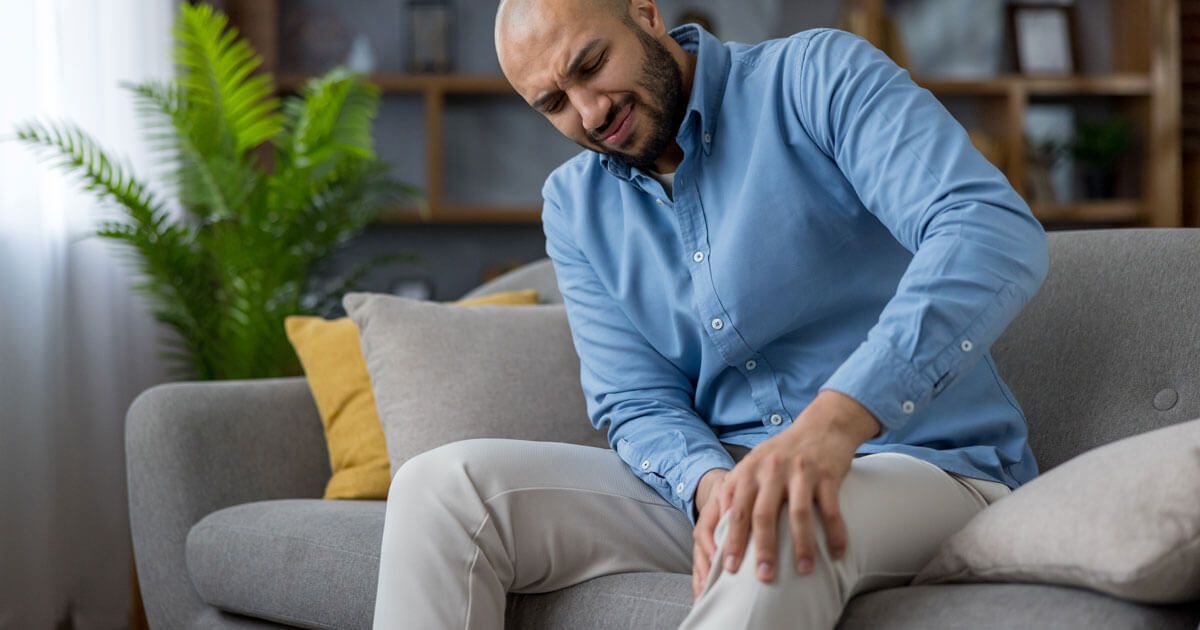
Knee pain is one of the most common complaints people bring to healthcare providers, and one that is often misunderstood. It’s easy to assume that if your knee hurts, the problem must be in your knee. But the body doesn’t work in isolated parts. It works as a connected system, and one of the most frequent sources of knee trouble is actually located further up the chain: your hips. How the Hips and Knees Are Connected The knee is what’s known as a hinge joint. It’s designed primarily to flex and extend, not to rotate or shift side to side. When it’s asked to do those things repeatedly, wear and strain accumulate. What controls whether the knee stays in good alignment? Largely, the hip. The muscles around the hip, including the glutes, hip flexors, and the muscles along the outer thigh, play a major role in guiding how the knee tracks during movement. When those muscles are weak or imbalanced, the knee compensates, often in ways that cause pain over time. The Role of Hip Weakness Weak glutes (the large muscles of the buttocks) are particularly common in people who sit for long periods. When the glutes aren’t doing their job during walking, climbing stairs, or squatting, other structures fill the gap. The knee often ends up rotating inward slightly, which changes the angle of the kneecap and increases stress on the joint. This pattern is behind many cases of what’s commonly called “runner’s knee”, even in people who don’t run. Pelvic Tilt and Its Downstream Effects The pelvis sits at the top of the leg and acts like a foundation for everything below it. When the pelvis tilts forward or to one side — due to tight hip flexors, muscle imbalances, or spinal misalignment — the angle of the leg changes. That altered angle puts uneven load through the knee with every step. People often notice this as pain on one side only, or pain that worsens going downhill or after prolonged standing. Why Treating Only the Knee Often Misses the Point If the root cause of knee pain is poor hip function or pelvic misalignment, addressing the knee in isolation will only go so far. Strengthening or stretching the knee itself won’t correct what’s driving the problem from above. This is why a thorough assessment looks at the whole kinetic chain including the way force travels from the foot, through the ankle, up through the knee and hip, and into the spine. A Different Place to Start If you’ve had ongoing knee discomfort that hasn’t fully responded to rest or local treatment, it may be worth having your hip alignment and pelvic mechanics evaluated. At Power Chiropractic, we take a whole-body approach to understanding where pain is coming from, not just where it shows up.

